
- News
- Sports News
- When kids had grounds to play
Trending
This story is from January 6, 2009
When kids had grounds to play
Delhi's playing fields started vanishing one by one in the 1960s with its green healthy lungs outside the city wall being the first casualties.

Whether sports minister MS Gill succeeds in his recently-proposed endeavour to set up a National Playing Fields Association of India on the lines of a similar body in England only time will tell, aware as we all are of the ways of government and civic authorities.
Having lived in Delhi, Dr Gill has seen for himself how open spaces have been heartlessly eaten into. Fact is its playing fields started vanishing one by one in the 1960s with its green healthy lungs outside the city wall being the first casualties.
Just outside Delhi Gate there were more than half a dozen hockey or football fields, breeding grounds of players who went on to play for the country, the most famous of them being the hockey full-back Randhir Singh Gentle of Independents Club.
Football clubs, namely the century-old Young Men and Moghals, also operated from this area. For an annual fee of just Rs 50 they would hire grounds from the Delhi Municipal Committee and play unhindered all year round. What is now the Corporation Stadium was once popularly called the Young Men's ground and what is now a park near the Bhagat Singh bus terminal was the Moghals' ground, scene of Delhi's only Santosh Trophy national championship victory in the 1945.
Beyond the wall outside Kashmere Gate and Mori Gate there were even more stretches of grass where they played hockey, football and cricket. The open spaces there have been eaten into, to repeat the sports minister's phrase, by structures like the Inter-State Bus Terminal (ISBT).
Many other open spaces like the Delhi Gate and Mori Gate grounds have met the same fate. As a young reporter in the Delhi of those days this writer did a series lamenting the vanishing grounds of Delhi. It fell on deaf ears. It found an echo even in distant Karachi where it was later learnt the Dawn reproduced them for two reasons. Firstly, because Karachi also faced a similar threat of vanishing open spaces, and, secondly, nostalgia. Dawn was published from Delhi before Partition, and along with it many of its faithful readers had also migrated to Karachi. But there, too, it made no difference.
After the 1982 Asian Games, the Delhi Development Authority did well to set up sports complexes in the city. But these sports complexes, which charge a fee not easily affordable, are not the same as open-to-all playgrounds.
Old Dilliwalas will remember the quarters built during the Raj for its government servants. In the centre of these squares, as they were called, an open space was left for children to play. Within hailing distance of their mothers, the children playing football, badminton or even hop-scotch felt a sense of security. It was from these places that Delhi's famous badminton players like Amrit Lal Dewan, Chiranjit Lal Dewan and their likes came.
The window of my room in Saket, south Delhi, opens on a poorly maintained DDA district park where all year round you can see boys playing 'kirket' except on days when the place is taken up by a wedding function. The sound of leather on willow is any time more preferable than the noise of wedding functions. At least the boys don't leave behind any stench of stale food and other wedding related debris. For all you know, one of them may some day go on to play for the country.
If Delhi's planners can find the space for as many as fourteen thousand parks, they can see their way to find more safe areas for the city's children. The same goes for the country's other cities.
Having lived in Delhi, Dr Gill has seen for himself how open spaces have been heartlessly eaten into.
Just outside Delhi Gate there were more than half a dozen hockey or football fields, breeding grounds of players who went on to play for the country, the most famous of them being the hockey full-back Randhir Singh Gentle of Independents Club.
Football clubs, namely the century-old Young Men and Moghals, also operated from this area. For an annual fee of just Rs 50 they would hire grounds from the Delhi Municipal Committee and play unhindered all year round. What is now the Corporation Stadium was once popularly called the Young Men's ground and what is now a park near the Bhagat Singh bus terminal was the Moghals' ground, scene of Delhi's only Santosh Trophy national championship victory in the 1945.
Beyond the wall outside Kashmere Gate and Mori Gate there were even more stretches of grass where they played hockey, football and cricket. The open spaces there have been eaten into, to repeat the sports minister's phrase, by structures like the Inter-State Bus Terminal (ISBT).
Many other open spaces like the Delhi Gate and Mori Gate grounds have met the same fate. As a young reporter in the Delhi of those days this writer did a series lamenting the vanishing grounds of Delhi. It fell on deaf ears. It found an echo even in distant Karachi where it was later learnt the Dawn reproduced them for two reasons. Firstly, because Karachi also faced a similar threat of vanishing open spaces, and, secondly, nostalgia. Dawn was published from Delhi before Partition, and along with it many of its faithful readers had also migrated to Karachi. But there, too, it made no difference.
After the 1982 Asian Games, the Delhi Development Authority did well to set up sports complexes in the city. But these sports complexes, which charge a fee not easily affordable, are not the same as open-to-all playgrounds.
Old Dilliwalas will remember the quarters built during the Raj for its government servants. In the centre of these squares, as they were called, an open space was left for children to play. Within hailing distance of their mothers, the children playing football, badminton or even hop-scotch felt a sense of security. It was from these places that Delhi's famous badminton players like Amrit Lal Dewan, Chiranjit Lal Dewan and their likes came.
The window of my room in Saket, south Delhi, opens on a poorly maintained DDA district park where all year round you can see boys playing 'kirket' except on days when the place is taken up by a wedding function. The sound of leather on willow is any time more preferable than the noise of wedding functions. At least the boys don't leave behind any stench of stale food and other wedding related debris. For all you know, one of them may some day go on to play for the country.
If Delhi's planners can find the space for as many as fourteen thousand parks, they can see their way to find more safe areas for the city's children. The same goes for the country's other cities.
End of Article
FOLLOW US ON SOCIAL MEDIA








Top Sports News
TOP TRENDING
Trending Stories
In Sports
Entire Website
- 1st Test: India 81/3 at stumps on Day 2, lead Bangladesh by 308 runs
- Shaqkere Parris hits jaw-dropping 124m six in CPL clash - Watch
- Angry Rishabh Pant to Litton Das: 'Mere ko kyu maar rahe ho?'- Watch
- India vs Bangladesh: Who is Hasan Mahmud who dismissed Rohit Sharma, Shubman Gill and Virat Kohli cheaply in first Test
- Dulip Samaraweera hit with 20-year ban by Australia due to 'inappropriate behaviour'
- Sourav Ganguly takes legal action against YouTuber
- Best style is the style that wins: Gautam Gambhir
- Chess Olympiad: India's men and women teams continue winning run to stay on top
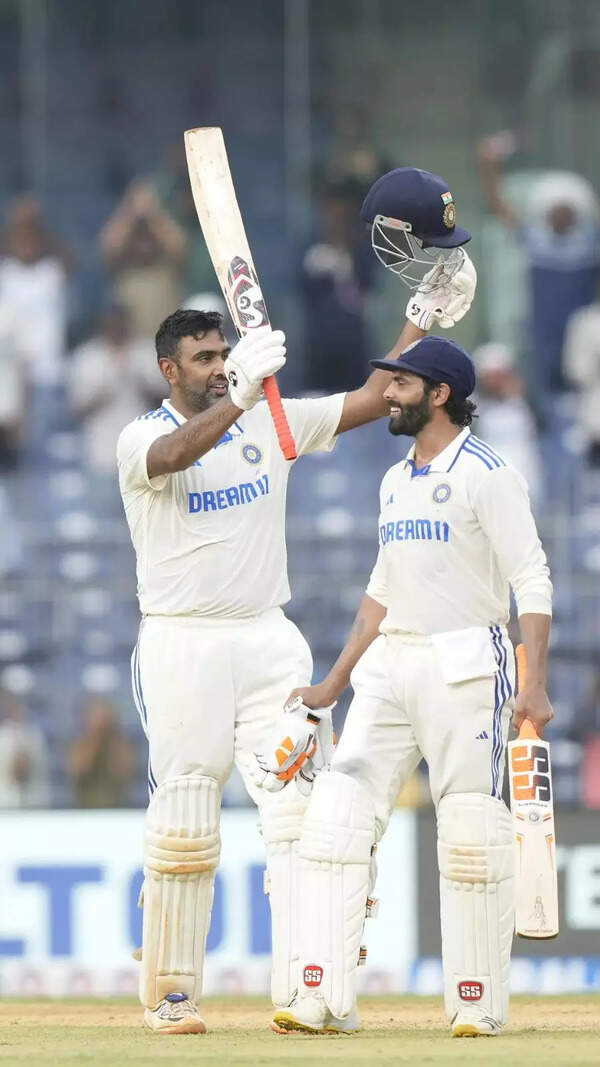
- 1st Test: Centurion Ashwin, Jadeja take India to 339/6 at stumps on Day 1
- What MS Dhoni said to Yuvraj Singh after he hit Stuart Broad for 6 sixes in 2007 T20 World Cup
- IDF carries out Beirut air strike after Hezbollah fires 140 rockets into Israel
- Ticket to riches: How fake visa scam ‘mastermind’ built Rs 100 crore empire
- Bricks in chilli, chalk in turmeric: Make sure your spices aren’t killing you
- EY employee death: Anna's father breaks silence after mother's letter goes viral
- 'He can use even god for political gains ... ': Reddy on Naidu amid Tirupati laddu row
- 'Stripped, tied my legs': Army captain's fiancée shares 'torture' story at police station
- Will this man who wants to ‘cancel’ Adani become Lankan president?
- Ex-Google employee looking for job in Canada: 'I've been reducing ...'
- Edtech major Physics Wallah raises $210 million to hire talent, companies
- Harris pledges to open federal jobs to non-degree holders: A look at alternative paths

Popular Categories
Hot on the Web
Top Trends
AppleGurgaon Bike AccidentTirupati Laddu RowIsraeli Strikes on HezbollahIND vs BAN LiveJacoby BrissettIIT Companies WFH PolicyOdisha Bharatpur Police Station NewsRhea RipleyIsrael Hezbollah WarKerala Lottery ResultAssembly ElectionTirupati PrasadamEY Pune EmployeeSean DiddySandip GhoshLive Cricket Score
Trending Topics
Stree 2 CollectionRuksana BanoAbdu RozikYudhra ReviewJayamSana Khan HusbandTirupati Laddoo ControversyGOAT CollectionVaazha OTT ReviewKozhipannai Chelladurai ReviewCheetahsKangana RanautAditi Rao HydariDalljiet KaurHoliday DestinationVikas SethiBest Selling Earbuds Under 1000Apple iPhone 16 ProVirat KohliWordle Answer
Living and entertainment
Latest News
SoftBank’s latest investment signals Masa’s brand-new India strategyEvery single infiltrator will be thrown from here, need to protect tribal culture: Amit Shah in JharkhandHenry Danger: Here’s where you can see all seasons - 1 to 5Former Rapper Shyne barrow speaks about Diddy's arrest, says he "Killed" his lifeWhat happens if we see God in DreamsCon artist held for posing as customs inspector in SuratWhen Sunita Ahuja said, "You have to be very strong to be an actor’s wife"Kaun Banega Crorepati 16: Amitabh Bachchan reminisces about shooting for Deewar and Kabhi Kabhie; says “Kabhi Kabhie josh mein hum log bohot kuch kar dete hain"Allu Aravind on Bollywood filmmakers having limited perspectives in their films: 'They are locked between Bandra and Juhu'India's familiarity with UAE conditions gives them an edge in Women’s T20 World Cup: Mithali RajMafia ran govt in Samajwadi Party rule while 'babua' slept: Yogi AdityanathThe Interplay of Sun Signs and Numerology: Unlocking Your Ultimate PotentialPM Modi must take to task those abusing Rahul, says CongressJuju Baby Music revives folk with a twist with their latest EP, Folk Outta The BoxKarunaratne, Chandimal fire as Sri Lanka take control of first New Zealand TestOnePlus 12 is available for Rs 35,314 only on Amazon; check exchange deal and bank offersHow to watch 'Fast and Furious' movies in chronological order and release datesBack support for chair: Top picks online
Copyright © 2024 Bennett, Coleman & Co. Ltd. All rights reserved. For reprint rights: Times Syndication Service